A takeout container is used for about twenty minutes and then exists for centuries. Bringing your own removes it entirely, and it is the biggest single cut a diner can make to a takeout order. The question is whether the restaurant will agree, and that depends mostly on how you ask.
What the law says
In California, Assembly Bill 619 has allowed restaurants to fill a customer's own container since 1 January 2020. The restaurant may still decline, and it is expected to keep your container away from the surfaces its own food touches, which is why most kitchens will ask you to open the lid and hold it, or will plate the food and let you transfer it. The same law lets food vendors at temporary events use reusable plates and cups, which is why some festivals now run washing stations instead of bins.
Elsewhere in the United States there is no equivalent state law, and the answer comes down to the local health code and the manager. The US Environmental Protection Agency's own advice to households, updated in August 2026, includes bringing a container for leftovers when eating out, so it is hardly a fringe request.
How to ask
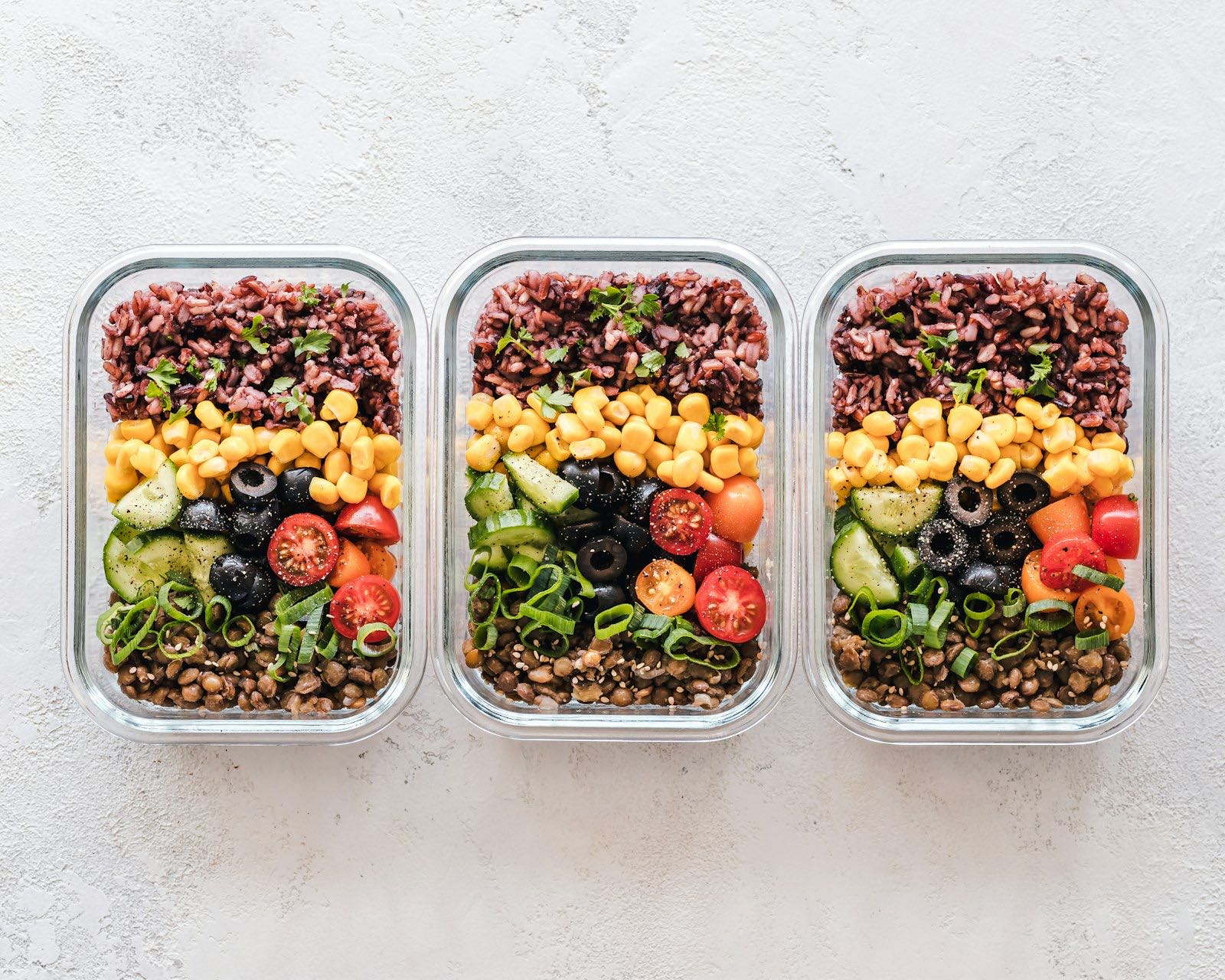
- Bring something clean, with a lid, and open it yourself. A kitchen's worry is cross-contamination, and a container the customer handles is a container the kitchen is not responsible for.
- Ask before you order, not after the food is packed.
- For coffee, hand over a cup with a lid, empty. Most cafés fill customer cups without a second thought, and some give a discount for it; that discount is one of the fourteen practices PLEET scores.
- If they say no, let it go, and rate the restaurant anyway. The practice "reusable item discount" tells other diners which places welcome it.
Why it matters more than the rest
Single-use foodware is designed around the twenty minutes between kitchen and table. Compostable versions still need an industrial composter that most towns do not have, recyclable ones are rarely recycled once they have held food, and both are still manufactured, shipped and thrown away. A container that is washed and used again hundreds of times has no equivalent in the disposable world. That is why the Surfrider Foundation's Ocean Friendly Restaurants program puts reusables at the top of its guidance, and why PLEET gives "only reusable foodware" more weight than any other practice.