Ocean Conservancy is a US nonprofit, and its Trash Free Seas programme runs the International Coastal Cleanup, a volunteer count of litter on beaches and waterways that has been going for forty years. The reason it matters to a directory of restaurants is the data: roughly 440 million items logged, each one categorised, which is the most complete record there is of what single-use packaging becomes.
What the 2026 report found
The report published in August 2026 ranked plastic drink bottles as the most collected item worldwide and bottle caps third. The organisation published a separate fact sheet on bottles and caps the same month, because the two together make the case for one of the simplest changes a restaurant can make: stop selling drinks in plastic bottles. That is a required criterion for certification and one of the fourteen practices scored here.
Clean Swell
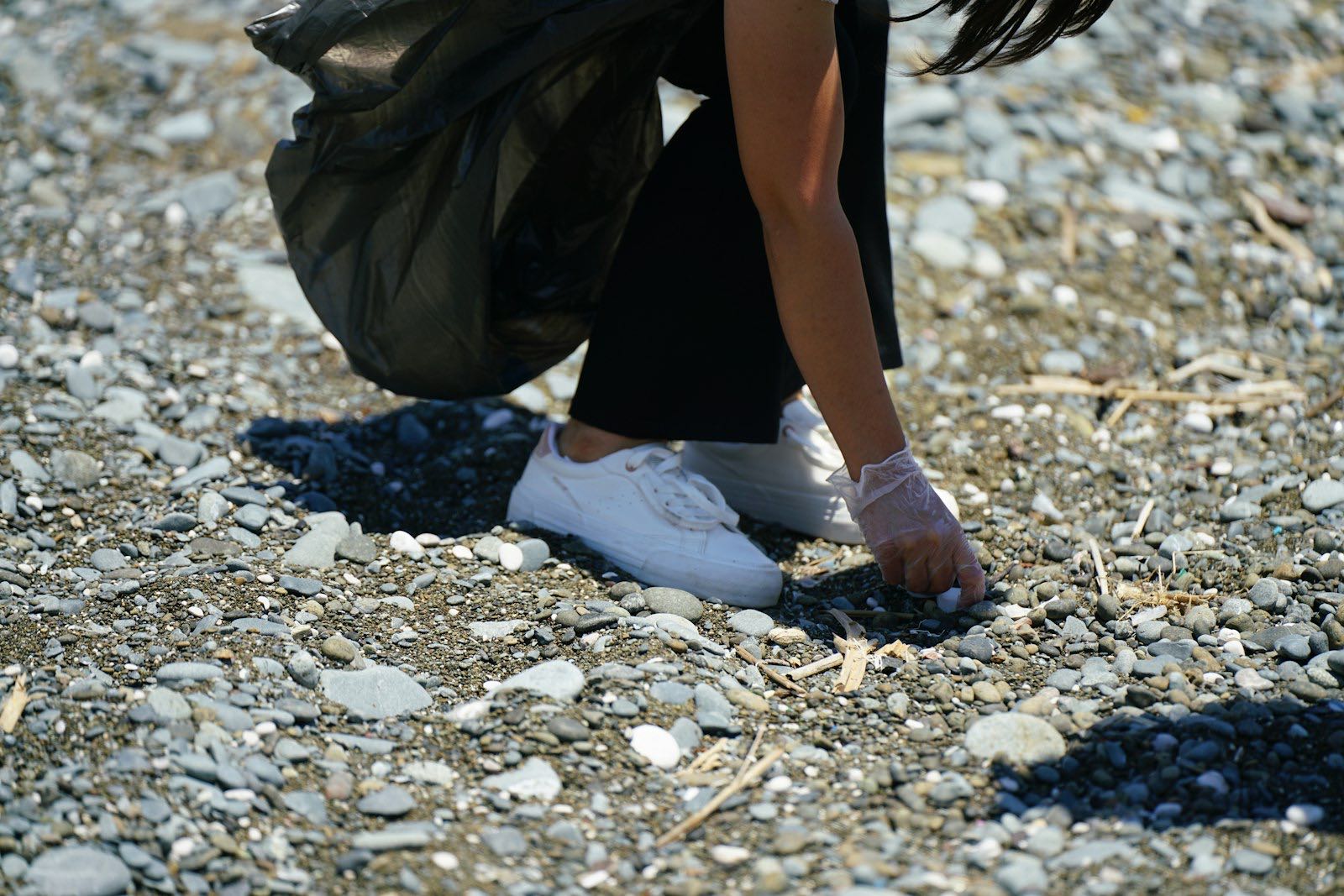
Clean Swell is the conservancy's free app for iOS and Android, available in more than twelve languages. You log what you pick up, on a beach or a street, and the data goes into the same global database. It is the easiest way for a diner to contribute something concrete, and the categories you log are the same packaging the practices on this site are designed to remove.
Joining a cleanup
The International Coastal Cleanup takes place each September, with local events found through the conservancy's site. The page in this section on joining a beach cleanup lists the organisations running them in the United States, Canada and Australia.