Most of the plastic in a takeout order is decided in about four seconds, by whoever is packing the bag. A few words at the point of ordering change what goes in it. None of this requires carrying anything, and none of it costs the restaurant money. In most cases it saves them some.
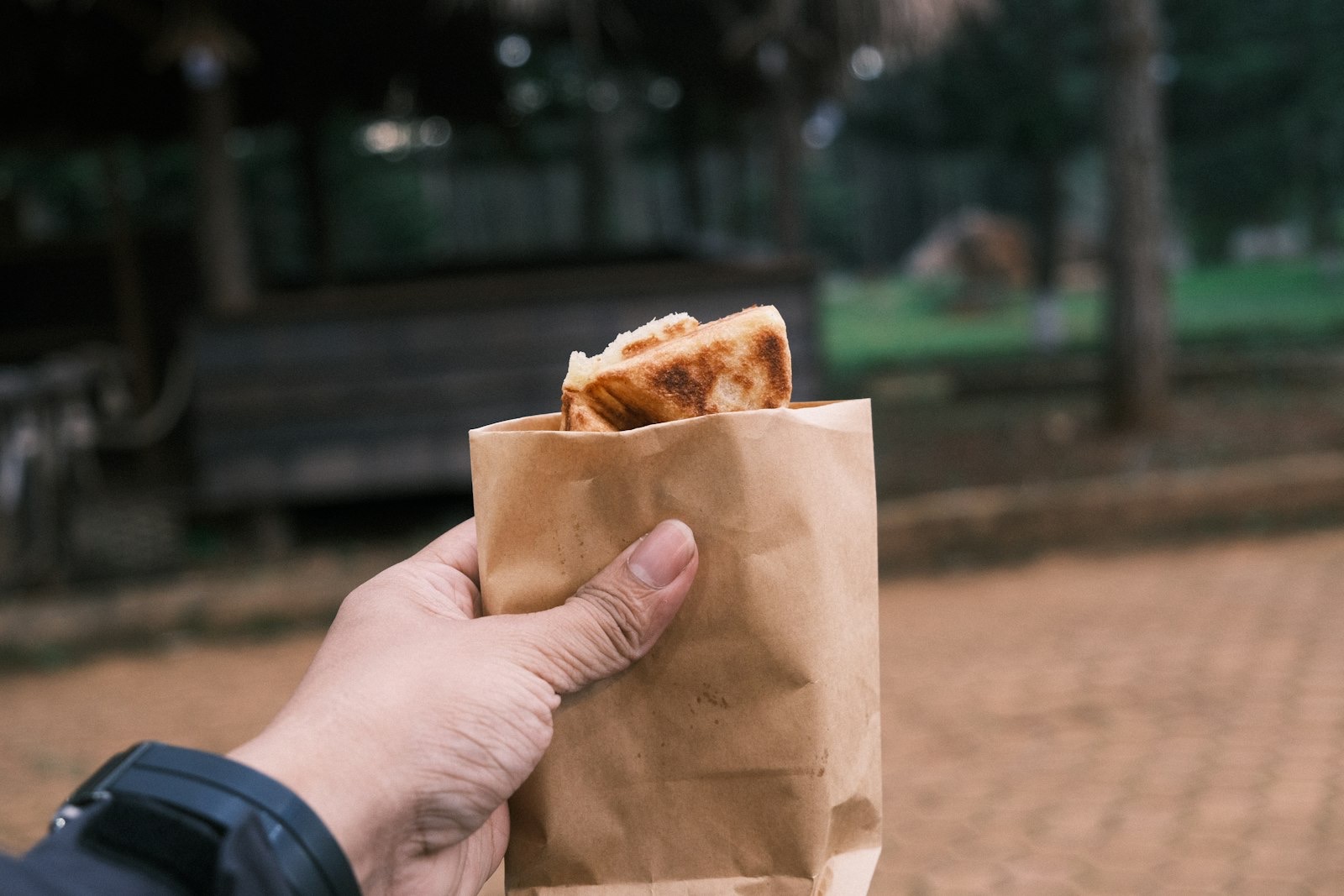
Before you order
- Check the listing. A restaurant on PLEET shows which of fourteen practices it follows, and the ones most visible at takeout are "single-use items on request", "no polystyrene" and "no plastic bags". If a place near you is not listed yet, you can add it in about two minutes.
- Eat in if you can. Dine-in at a restaurant with reusable foodware produces almost no packaging at all, which no amount of careful ordering can match.
When you order
- Say "no cutlery, no straw, no sauces" before they are offered. In New York City and across California it is already the law that these are only added on request, but a clear ask works everywhere.
- Ask for no bag, or bring one. The bag is usually the easiest thing to leave out, and the one most likely to blow into the water.
- Ask whether they will fill your own container. In California the law has allowed it since 2020, and a growing number of restaurants elsewhere say yes if asked. The page on bringing your own container explains how to do it so that the kitchen can agree.
- Order the drink without the plastic bottle: a can, a glass bottle, or a fountain drink in your own cup.
When it arrives
- If the packaging was foam, say so in your rating. Polystyrene is the one item certified restaurants have given up entirely, and a listing that still uses it needs correcting.
- Rate the practices you could see. Your rating is averaged with others and counts for 30% of the score, which is how a listing stays honest.
What a changed restaurant looks like
A sticker in the window says nothing. The signs that a kitchen has actually changed are mundane: real plates on the tables, paper straws behind the counter rather than on it, a compost bin that staff use, drinks in cans or glass, and takeout containers that are fibre rather than clear plastic, or that they offer to skip. Those are also the fourteen practices, which is why the score is built from them. Start with the directory or the map.