Nobody throws a takeout container into the sea. It gets left on a bench, blown out of a bin, or washed down a storm drain in the first rain, and from there the route to the water is short. The evidence for that is not a model. It is a count, repeated every year by volunteers on beaches around the world.
What the counts find
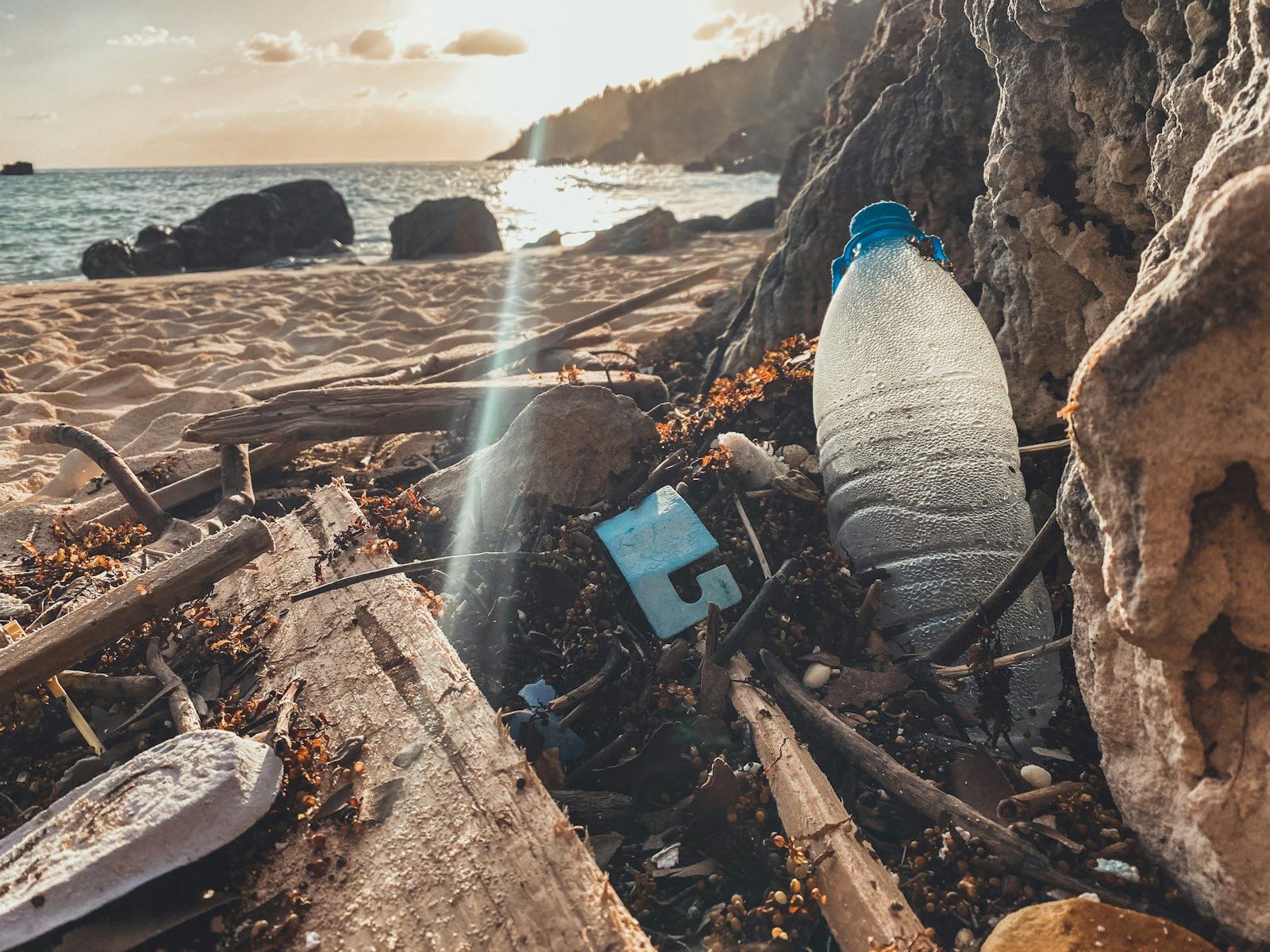
Ocean Conservancy has run the International Coastal Cleanup for forty years and keeps a database of roughly 440 million items picked up in that time. In its 2026 report, published in August 2026, plastic drink bottles were the most collected item worldwide and bottle caps the third. Food wrappers, cutlery, cups, lids and straws fill out the top of the list in most years.
The Surfrider Foundation's chapters reported 44,645 volunteers at 1,368 cleanups across the United States and Europe in 2026, and publish an annual report on what they found. The 5 Gyres Institute runs similar counts inland, including a 2025 survey of US national parks, and has published science on plastic in the ocean gyres for more than a decade.
Why foodware in particular
Takeout packaging is designed to be light, cheap and used once, which is precisely what makes it mobile. A foam clamshell weighs almost nothing, floats, and breaks into pieces that are never picked up at all. A clear plastic cup is used for twenty minutes and outlasts the café that sold it. Recycling does not catch it: the United States recycles between five and six percent of its plastic, and food-soiled items are the least likely of all to be sorted.
The response that works is upstream of the bin. Polystyrene bans, single-use-on-request rules, and restaurants that have gone back to reusables remove the items from circulation before they can be dropped. That is the logic behind the fourteen practices PLEET scores, and behind the required criteria of the Surfrider Foundation's Ocean Friendly Restaurants program, which target the same items.
The bigger picture
In August 2025 the United Nations negotiations on a global plastics treaty ended in Geneva without an agreement. A new chair was elected in February 2026 and the next round is scheduled for March 2027. Whatever comes of it, the counts on the beach will keep being taken, and the practices on a restaurant's listing are things a kitchen can change this week.